
Why Quality Assurance Can No Longer Be the Last Stage of Development
For decades, software teams treated testing as the final checkpoint before release code was written, features were built, and only then did QA step in to catch what went wrong. That model is breaking down fast. Quality Assurance can no longer be the last stage of development, it has to be woven into every phase, from planning to deployment. As release cycles shrink from months to days, waiting until the end to test an application is a recipe for missed deadlines, costly rework, and buggy products reaching real users.
Enterprises that still treat QA as a final gate are discovering the hard way that this approach simply can't keep up with modern development speeds. In this blog, we'll explore why the traditional Test-Last Model is failing, what shifting quality left actually means, and how businesses can build a smarter, continuous approach to quality that keeps pace with today's software demands.
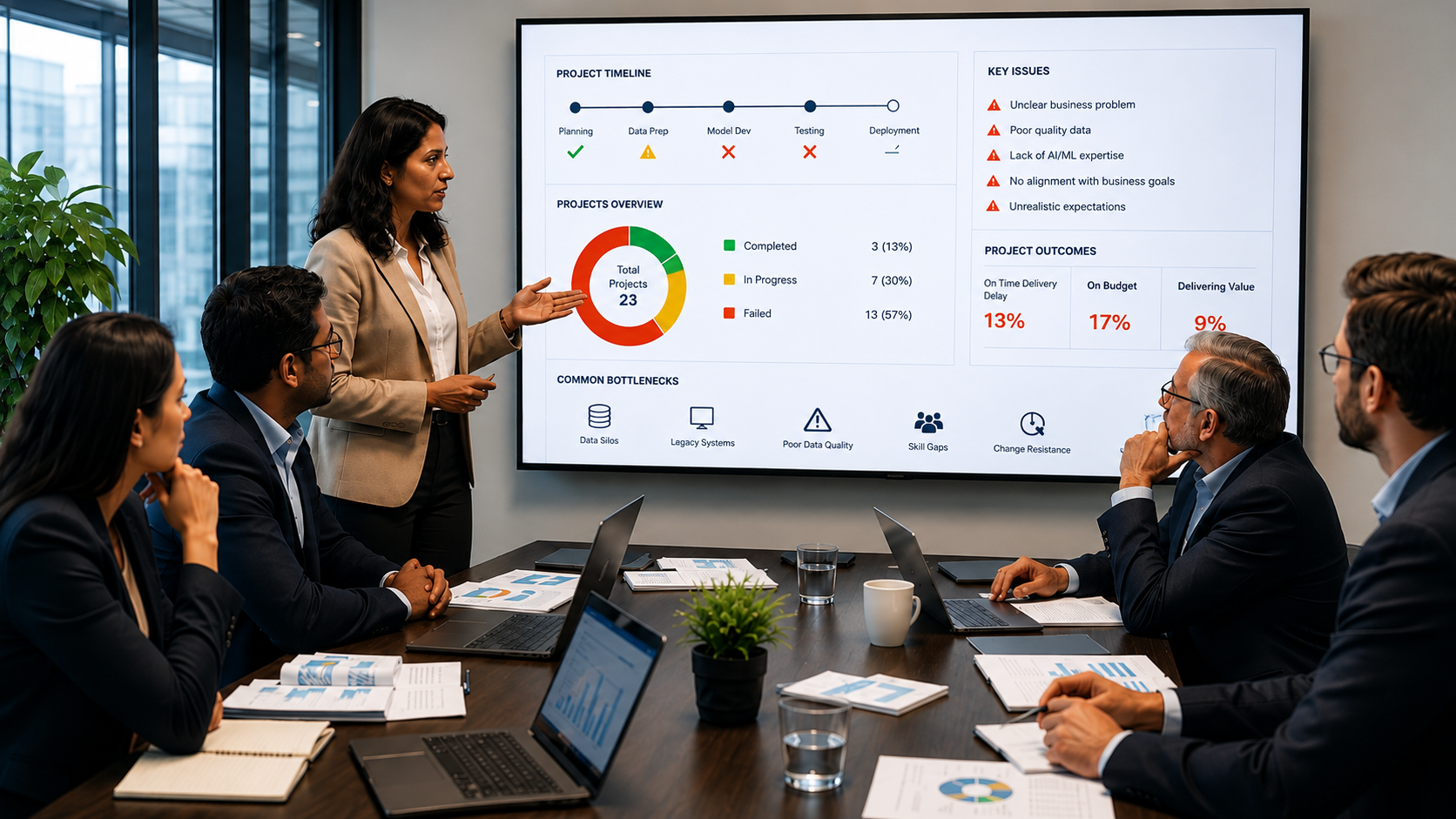
The Problem with "TestLast" Development
In a traditional waterfall-style process, QA sits at the end of the pipeline, acting as a gatekeeper right before release. On paper, this seems logical to verify everything works before it ships. In practice, it creates serious bottlenecks:
- Bugs are found too late: A defect discovered in the final testing phase can cost significantly more to fix than one caught during development, because it may require reworking code that other features now depend on.
- Release timelines suffer: When QA is a separate, sequential step, any issues found at the end push back the entire launch, there's no buffer left to absorb delays.
- Developers lose context: By the time a bug report reaches a developer who moved on to other work weeks ago, they have to refamiliarize themselves with code they've already forgotten.
- Testing becomes rushed: Under deadline pressure, QA teams are often forced to cut corners, testing only the most obvious paths and skipping edge cases that later cause production failures.
- Quality becomes someone else's job: When QA is siloed at the end, developers aren't incentivized to think about testability or edge cases while writing code, quality becomes a downstream concern instead of a shared responsibility.
The result is a costly cycle: rushed fixes, delayed releases, and applications that break in ways nobody anticipated because nobody was looking early enough.
What "Shifting Quality Left" Really Means
The alternative to test-last development is often called "shifting left" — moving quality practices earlier into the software development lifecycle. This doesn't mean adding more manual testing steps; it means fundamentally rethinking when and how quality gets built in.
A shift-left approach includes:
- Testing requirements and designs before code is written, catching ambiguous or flawed specifications early.
- Automated unit and integration tests that run continuously as developers write code, not after.
- Continuous testing embedded in CI/CD pipelines, so every code commit is automatically validated.
- Static code analysis and security scanning built into the development workflow itself.
- Cross-functional collaboration between developers, QA engineers, and product teams from day one, rather than a handoff at the end.
- Early performance and load testing instead of waiting until a feature is complete to see how it behaves under stress.
This approach turns quality into a continuous thread running through the entire development process, rather than a single event that happens right before launch.
Why This Shift Matters for Businesses
1. Faster, More Predictable Releases
When defects are caught early, there's no last-minute scramble before a launch. Release timelines become far more predictable because quality issues surface and get resolved throughout development, not all at once at the end.
2. Lower Cost of Fixing Defects
The earlier a bug is caught, the cheaper it is to fix. A defect found during coding might take minutes to resolve; the same defect found in production could require emergency patches, customer support escalations, and reputational damage control.
3. Higher-Quality Code from the Start
When developers know their code will be continuously tested, they naturally write more testable, modular code. Quality becomes part of the engineering culture rather than an afterthought.
4. Reduced Risk in Complex Systems
Modern applications built on microservices, APIs, and cloud-native architectures have far more moving parts than traditional monolithic systems. Testing only at the end makes it nearly impossible to isolate where a failure originated. Continuous testing throughout development makes complex systems far more manageable.
5. Better Alignment Between Teams
When QA is involved from the planning stage, developers, testers, and product owners share a common understanding of what "done" actually means, reducing miscommunication and rework.
6. Stronger Customer Trust
Fewer post-release bugs mean fewer frustrated users, fewer support tickets, and a stronger brand reputation — all of which directly affect customer retention and revenue.
Building a Continuous Quality Culture
Shifting away from test-last development isn't just a tooling change, it requires a cultural and process shift across the organization. Key building blocks include:
- Embedding QA engineers into development teams rather than isolating them in a separate department.
- Automating repetitive test cases so teams can focus human effort on exploratory and edge-case testing.
- Integrating testing into CI/CD pipelines so every build is automatically validated.
- Using AI-driven test analytics to identify high-risk areas of the codebase before issues escalate.
- Establishing clear quality metrics that are visible to the entire team, not just QA.
- Encouraging developers to write and maintain their own automated tests, reinforcing shared ownership of quality.
Organizations that build this kind of continuous quality culture consistently outperform those still relying on end-of-cycle testing — shipping faster, with fewer defects, and with teams that spend less time firefighting production issues.
Industries Where This Shift Is Critical
While every software-driven business benefits from continuous quality practices, the stakes are especially high in certain sectors:
- BFSI (Banking, Financial Services & Insurance): Where late-stage defects can mean compliance violations or security vulnerabilities.
- Healthcare: Where application errors can directly impact patient data and care delivery.
- Ecommerce & Retail: Where downtime or bugs during peak periods translate directly into lost revenue.
- SaaS Platforms: Where frequent, continuous releases demand equally continuous testing.
- Manufacturing: Where enterprise systems must integrate reliably across complex operations.
Conclusion
The days of treating quality assurance as a final checkpoint are over. Modern software development moves too fast, and systems have grown too complex, for a test-last approach to keep up. Quality assurance can no longer be the last stage of development, it has to be a continuous, shared responsibility that starts on day one and runs through every release.
Businesses that make this shift see faster releases, lower costs, and far more reliable products. If your organization is still catching quality issues too late in the cycle, Solvencia can help you build a modern, continuous quality engineering practice with automation frameworks, CI/CD integrated testing, and AI-driven quality insights designed to help you ship reliable software faster, without last-minute surprises.
Frequently Asked Questions
Shifting left means moving testing and quality practices earlier into the development lifecycle testing requirements, code, and integrations continuously as they're built, rather than waiting until development is complete.
Bugs found late often require reworking code that other features now depend on, plus additional testing, documentation, and sometimes emergency deployment processes all of which add time and cost compared to catching the same issue during initial development.
Not entirely. It means developers take more ownership of testable code and automated unit tests, while QA engineers focus on exploratory testing, complex scenarios, and building the automation frameworks that support continuous testing.
Automated tests run every time code is committed or deployed, giving teams immediate feedback on whether changes introduced new issues instead of waiting for a separate testing phase before release
-
15+
Years of Experience
-
25+
Satisfied Clients
-
100%
Project Delivery Rate
-
100+
Skilled Professionals

Contact Info
+91-7416578822
info@solvencia.in

Visit our office
501 Vipras Elite, Door No: 1/90/7/B/79/22A Street No: 1, Patrika Nagar HITEC City, Hyderabad Telangana 500081