
GCCs Are No Longer Cost Centers: The Rise of Innovation Hubs
Global Capability Centers (GCCs) have evolved from cost-focused offshore operations into strategic innovation hubs. Originally created to access skilled talent, improve efficiency, and reduce operating costs, modern GCCs now contribute to product engineering, Artificial Intelligence, data analytics, cybersecurity, cloud technology, research, and digital transformation.
India has become a leading destination because of its technology talent and digital ecosystem. GCCs own global products, platforms, intellectual property, and capabilities. Their success is measured by innovation, product ownership, customer experience, revenue contribution, and business outcomes, not cost savings alone.
Why GCCs Are Moving Beyond Cost Optimization
Cost efficiency remains important, but organizations now need GCCs to support digital transformation, global product development, AI initiatives, data capabilities, research, intellectual property, and business agility. Teams are increasingly expected to solve business problems, experiment with technology, make decisions, and contribute to strategic planning.
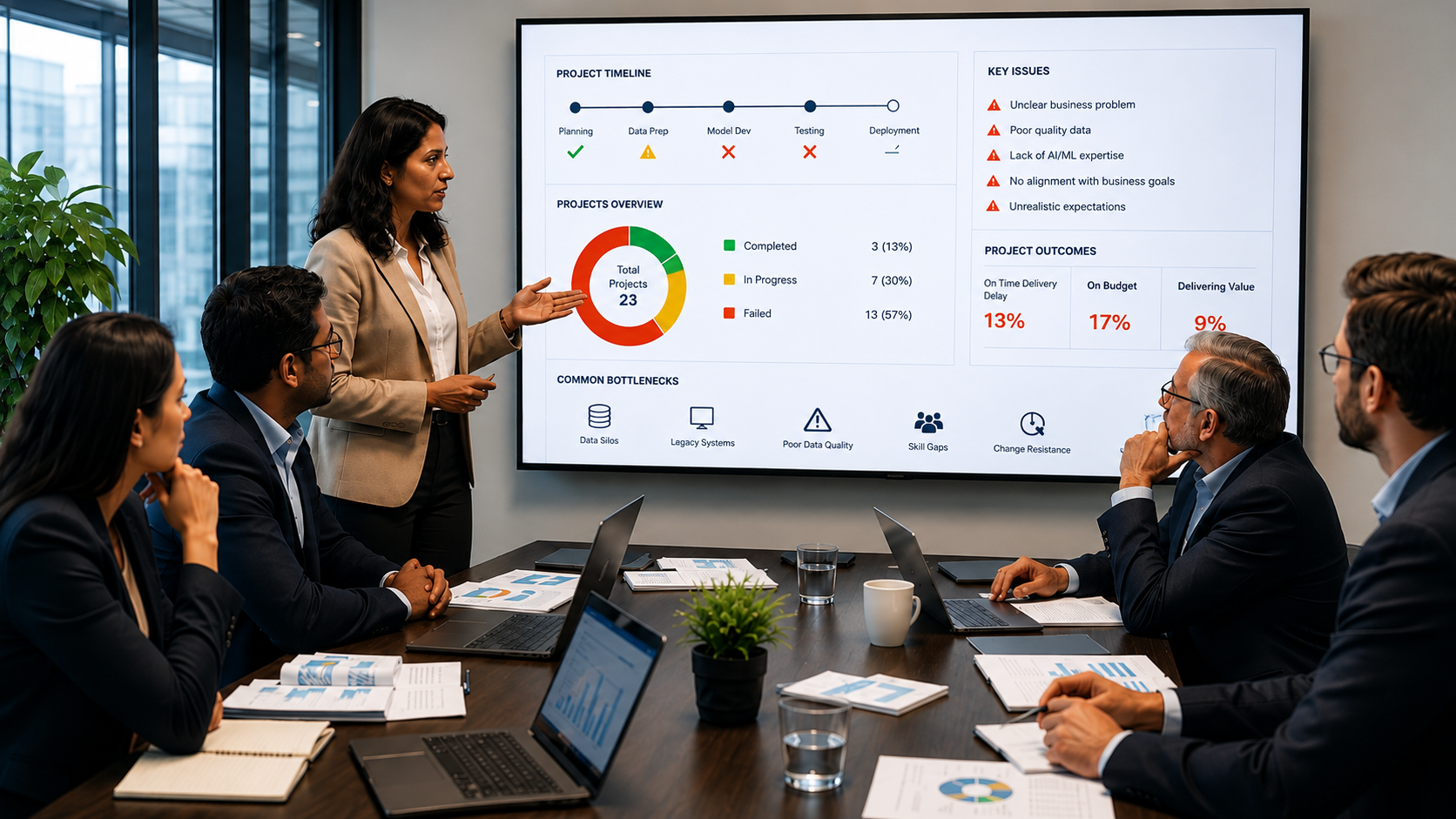
Challenges in Building Innovation-Focused GCCs
Building an innovation-focused GCC requires strong leadership, governance, infrastructure, culture, and business alignment.
Talent and Skill Gaps
Innovation hubs need professionals in AI, cloud, cybersecurity, data engineering, product management, software development, automation, and analytics. Companies should combine specialized hiring with reskilling, upskilling, leadership development, and technology partnerships.
Moving Beyond Execution
Traditional GCCs often follow headquarters instructions. Innovation-focused teams need greater autonomy and end-to-end ownership. Responsibility for products and platforms improves accountability, decision-making, experimentation, and business impact.
Measuring Innovation
Cost savings, productivity, headcount, and service levels remain useful metrics. Modern GCCs should also measure product ownership, revenue contribution, intellectual property, automation impact, speed to market, customer outcomes, and innovation results.
How to Build a Modern Innovation-Focused GCC
1. Define a Clear Strategic Mandate
Organizations should connect the GCC mandate with global priorities. Key areas can include product engineering, AI, data, cybersecurity, research, cloud platforms, automation, and digital transformation.
2. Build Specialized Technology Talent
Continuous learning should cover AI, machine learning, cloud engineering, data analytics, product management, software engineering, cybersecurity, automation, DevOps, and leadership.
3. Give Teams End-to-End Ownership
GCC teams can manage products from ideation and design through development, testing, deployment, and improvement. This creates stronger accountability, faster decisions, and closer customer alignment.
4. Invest in AI and Emerging Technologies
AI can support software development, customer service, automation, predictive analytics, cybersecurity, personalization, fraud detection, and enterprise decision-making. Adoption should focus on practical use cases, measurable value, security, scalability, and responsible governance.
From Cost Arbitrage to Innovation Arbitrage
The GCC model is shifting from cost arbitrage to innovation arbitrage. Cost arbitrage focuses on lower operational costs, while innovation arbitrage focuses on specialized expertise, engineering capabilities, research opportunities, technology ecosystems, and innovation talent that create value faster.
Important location factors include specialized talent, startups, research institutions, digital infrastructure, AI capabilities, and product engineering expertise. India benefits from a large technology workforce, established IT expertise, and growing capabilities in AI, cloud, data, and product engineering.
The Role of Product Engineering
Product engineering is becoming a core GCC capability. Teams can own the complete product lifecycle, including strategy, design, development, quality engineering, cloud architecture, DevOps, analytics, security, and AI integration. End-to-end ownership connects GCC capabilities directly with innovation, customer experience, and business growth.
Building a Data-Driven GCC
Modern GCCs can manage enterprise data platforms, analytics, business intelligence, and AI capabilities. They can improve data quality, governance, predictive modeling, customer insights, and data-driven decisions. Strong frameworks for security, privacy, compliance, ownership, and responsible technology use are essential.
The Future of GCCs as Innovation Hubs
The future will be shaped by AI, automation, advanced analytics, cloud technologies, cybersecurity, product engineering, and specialized talent. Multi-location GCC strategies may help organizations access diverse talent, strengthen resilience, and participate in different technology ecosystems.
Conclusion
GCCs Are No Longer Cost Centers: The Rise of Innovation Hubs reflects a fundamental change in how enterprises view distributed capabilities. While cost efficiency remains relevant, modern GCCs are expected to drive innovation, develop products, create intellectual property, adopt emerging technologies, and deliver measurable business value.
At Solvencia, we help organizations build and scale modern GCC capabilities through product engineering, AI, cloud, data, and digital transformation expertise. We help businesses create strategic innovation hubs that support sustainable growth.
Frequently Asked Questions
A GCC is a dedicated center managing specialized technology, business, and operational capabilities for an organization. Modern GCCs focus increasingly on innovation, product ownership, and business outcomes.
GCCs provide specialized talent and technology capabilities that accelerate digital transformation, product development, automation, analytics, cloud adoption, and emerging technology initiatives.
GCCs can manage product strategy, design, engineering, testing, deployment, security, analytics, and continuous improvement, creating stronger ownership and business value.
Solvencia supports GCC development through product engineering, AI, cloud, data, and digital transformation expertise, helping organizations move beyond traditional support functions and create strategic innovation centers.
OUR LATEST BLOGS
Read more blogs of our company
Are you busy reading out IT fires instead of focusing on your core business

MOBILE DEVELOPMENT
OpenAI launches new alignment division to tackle risks of superintelligent AI
The makers of AI have announced the company will be dedicating 20% of its compute processing power over the next four years
- Collaboration Tools
- Smart Reminders

WEB DEVELOPMENT
New EU battery law could mean EOL for low-cost smartphones
Apple might have wriggle room for the iPhone when it comes to new EU laws to make smartphone batteries user replaceable
- Collaboration Tools
- Smart Reminders
- Requirement
- Task Management

CLOUD COMPUTING
FTC reported to be investigating OpenAI for consumer protection violations
OpenAI is reportedly under additional legal scrutiny, as the US Federal Trade asks the company to give detailed explanations
- Collaboration Tools
- Smart Reminders
- Requirement
-
15+
Years of Experience
-
25+
Satisfied Clients
-
100%
Project Delivery Rate
-
100+
Skilled Professionals

Contact Info
+91-7416578822
info@solvencia.in

Visit our office
501 Vipras Elite, Door No: 1/90/7/B/79/22A Street No: 1, Patrika Nagar HITEC City, Hyderabad Telangana 500081