
Digital Transformation in Modern Manufacturing
For decades, the manufacturing sector depended on inflexible assembly lines, manual record-keeping and reactive maintenance schedules to keep production moving. That traditional model is quickly changing today. Today’s industrial environments are witnessing more volatility in their supply chains, changing consumer demands and constant pressure to improve efficiency.
The Digital-First Manufacturing Enterprise is the new gold standard for industrial success, an ecosystem of IoT sensors, automated workflows and real-time data that work in concert to inform production decisions.
The Paradigm Shift: From Reactive Operations to Smart Manufacturing
Industrial strategy has transitioned from basic mechanical output to smart manufacturing. Rather than simply asking "Is the machine running?", forward-thinking factories utilize AI-driven architectures and predictive maintenance platforms to answer "When will this component fail, and how can we optimize output right now?"
By embedding Internet of Things (IoT) sensors and machine learning directly into the shop floor, companies are closing the gap between raw physical operations and digital execution. At Solvencia, we recognize that this shift eliminates the bottlenecks of legacy factory silos, empowering engineering, supply chain, and operations teams to monitor and visualize performance metrics instantly without complex technical friction.
Core Pillars Driving Modern Manufacturing
Building an agile, technology-driven industrial enterprise requires modernizing how shop-floor data flows and how plant decisions are governed:
- IoT and Real-Time Telemetry: Moving away from manual logbooks allows organizations to process equipment vibrations, temperature shifts, and line bottlenecks the exact millisecond they occur.
- Predictive Maintenance & AI Modeling: Advanced analytics leverage predictive algorithms to anticipate equipment failures before they happen, drastically reducing costly downtime.
- Adaptive Enterprise Resource Planning (ERP): Traditional systems focused strictly on static inventory tracking. Modern cloud architectures provide dynamic, cross-departmental visibility from raw material sourcing to final delivery.
- Connected Supply Chain Ecosystems: Consolidating multi-source vendor information eliminates communication gaps, ensuring every stakeholder works from a unified, accurate version of the operational truth.
Overcoming Challenges in Industrial Digitization
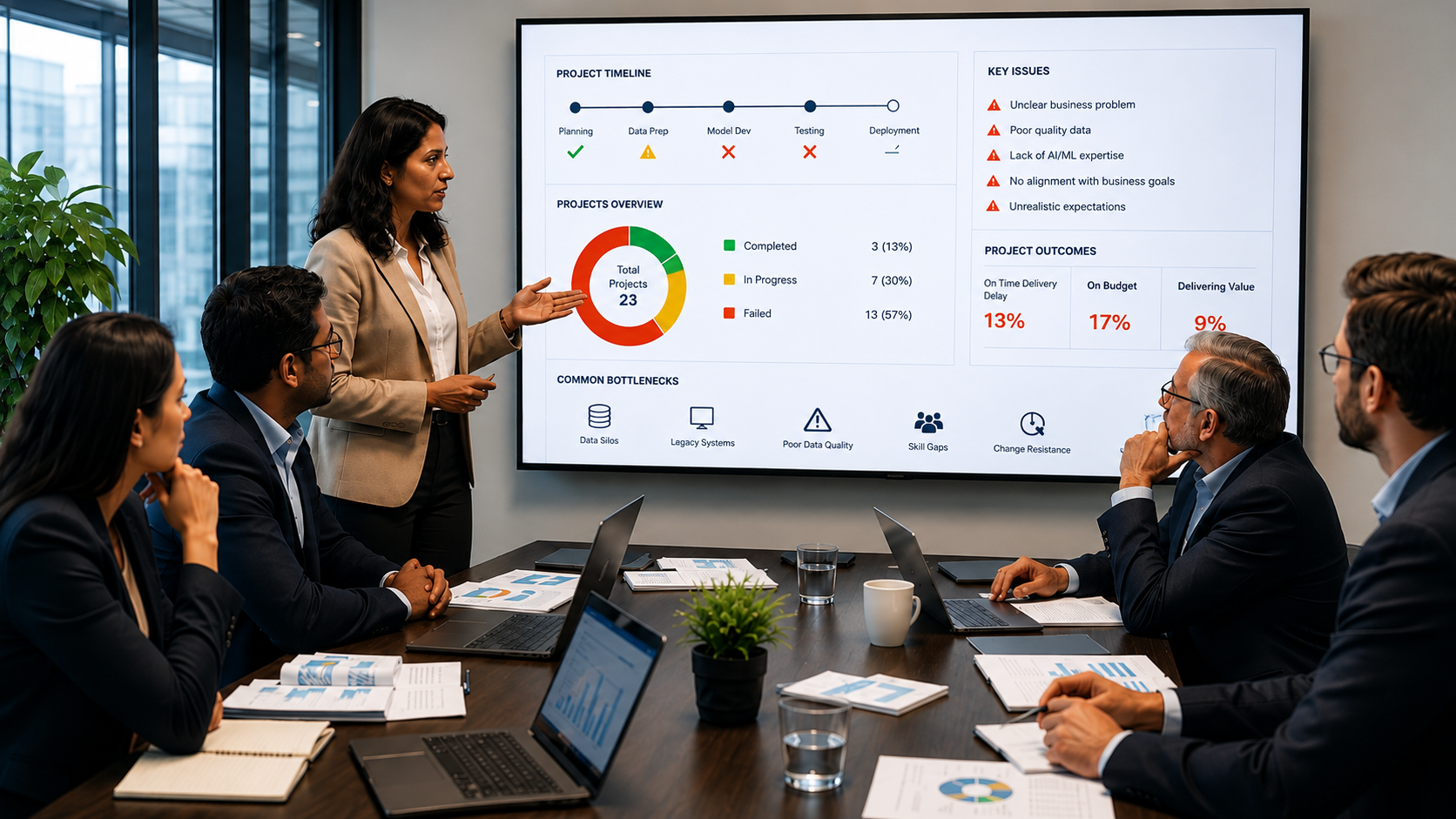
Despite the clear productivity benefits, unlocking full manufacturing intelligence presents structural hurdles. The modern industrial landscape generates massive streams of operational data, creating unique friction points:
- b>Legacy Infrastructure Integration: Connecting decades-old machinery to modern cloud platforms requires specialized edge computing and secure industrial IoT protocols.
- Balancing Automation with Cybersecurity: Rapid factory automation and interconnected supply chains require giving systems broad access to operational controls, which must be balanced against stringent cybersecurity mandates to prevent plant-floor disruptions.
Best Practices for Successful Manufacturing Transformation
To successfully bridge the gap between physical machinery and strategic digital execution, industrial leaders should implement these actionable practices:.
- Treat Operational Data as a Core Asset: Design data pipelines from factory sensors with clear usability in mind, ensuring they directly map to measurable throughput and downtime metrics.
- Embed Intelligence into Shop-Floor Workflows: Bring insights directly onto tablets and control panels that operators use daily, minimizing context-switching and accelerating response times.
- Invest in Scalable Edge Architecture: Process critical data locally on the factory floor via edge devices to ensure zero-latency decision-making even during internet connectivity blips.
- Promote Digital Literacy Across Teams: Equip plant-floor workers and engineers with the training needed to interpret predictive maintenance alerts accurately and make objective, data-backed adjustments.
Conclusion
The future of industry is the manufacturer that sees its production lines as living, data-driven engines of operational excellence, not just discrete mechanical units. By deeply integrating digital with IoT telemetry and predictive analytics, organizations are able to turn factory complex outputs into competitive advantages. Build scalable, secure and future-ready industrial ecosystems that fit your business goals. Partner with Solvencia
Frequently Asked Questions
It is the integration of digital technology such as IoT sensors, cloud computing, and AI into all areas of manufacturing, fundamentally changing how factories operate, manage supply chains, and deliver value to customers.
Traditional maintenance fixes machinery only after it breaks down, causing unplanned downtime. Predictive maintenance uses real-time sensor data and AI to forecast when a part will wear out, allowing repairs to be scheduled proactively.
Edge computing processes data locally near the machinery rather than sending everything to a distant cloud server, ensuring instant response times for critical safety and operational decisions.
Manufacturers can start by retrofitting older machinery with non-invasive IoT sensors and edge gateways, allowing them to capture performance data without replacing expensive heavy equipment.
-
15+
Years of Experience
-
25+
Satisfied Clients
-
100%
Project Delivery Rate
-
100+
Skilled Professionals

Contact Info
+91-7416578822
info@solvencia.in

Visit our office
501 Vipras Elite, Door No: 1/90/7/B/79/22A Street No: 1, Patrika Nagar HITEC City, Hyderabad Telangana 500081